The Murchison Falls National Park has long occupied a distinctive place in the history of African conservation and tourism. Once regarded as one of the continent’s greatest wildlife destinations, the park has undergone dramatic cycles of abundance, decline, and recovery. Today, its resurgence is becoming a case study in how long-term conservation efforts, community cooperation, and sustainable tourism can resurrect an ecosystem once driven to the brink.
The Crown Jewel of Uganda’s Protected Areas
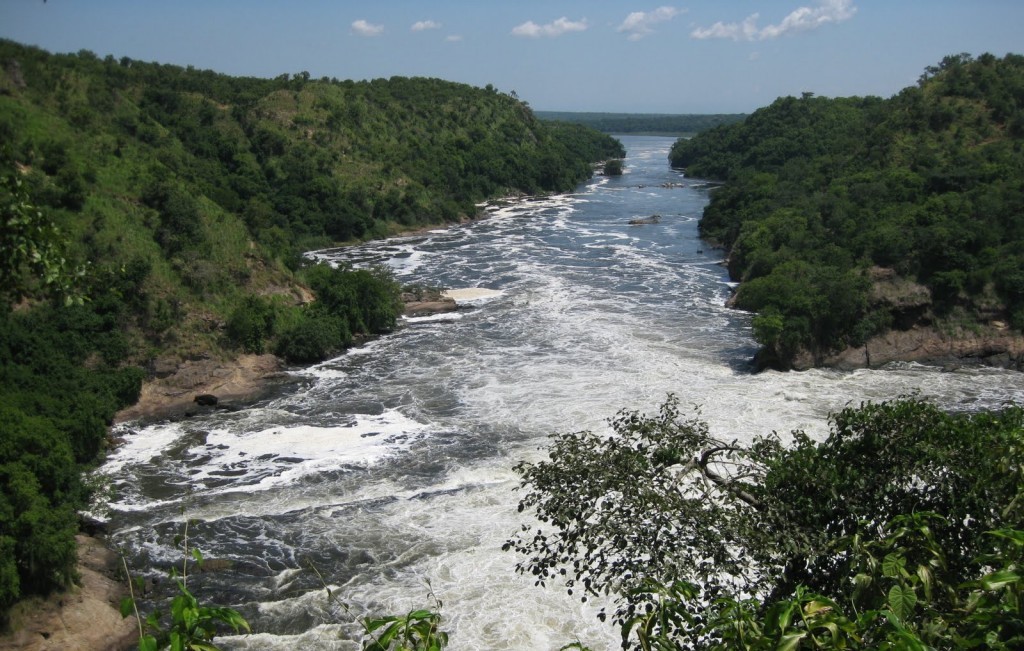
In the early to mid-20th century, Murchison Falls was considered the crown jewel of Uganda’s protected areas. Its reputation grew not only from the extraordinary spectacle of the Nile forcing itself through a narrow gorge, but also from the immense wildlife populations that once roamed the savannahs around it. The park became heavily documented by travellers, colonial-era officials, early naturalists, and writers who recorded their impressions of an ecosystem filled with elephants, buffalo, lions, rhinos, giraffes, and countless antelope.
Visits by Notable Figures
During this era, several notable figures journeyed to the region, inadvertently contributing to its international fame. Theodore Roosevelt travelled through Uganda in 1909 as part of an extensive East African expedition. He recorded the landscape and wildlife with scientific detail and described Murchison’s animal density as exceptional even by African standards. Winston Churchill also passed through the Nile Corridor a few years earlier, famously describing Uganda as the “Pearl of Africa” after witnessing the lush riverbanks and wildlife of the region. These accounts circulated worldwide, and by the mid-20th century, Murchison Falls was recognised far beyond East Africa.
The park also attracted members of the British royal family. The Prince of Wales—later Edward VII—visited in the early 1930s, while the Queen Mother made her own journey to the famous falls in 1959. Their visits reinforced the region as a fashionable destination for travellers seeking both adventure and prestige.
Hemingway’s Dramatic Survival
One of the most dramatic historical episodes associated with the park occurred in 1954, when American author Ernest Hemingway survived two plane crashes in the area. Hemingway and his wife were on a scenic flight when their aircraft crash-landed near Murchison Falls. A rescue plane arrived, only to catch fire and crash during takeoff as well. Miraculously, both survived, though Hemingway sustained injuries that forced him into temporary recovery. The surreal incident—further amplified by newspapers erroneously publishing his obituary—became part of the park’s enduring folklore.
Hollywood Fame: The African Queen
Hollywood further elevated the park’s global profile. The 1951 film The African Queen, starring Humphrey Bogart and Katharine Hepburn, used the landscape around Murchison Falls as one of its primary shooting locations. The production itself became famous for its difficulties—heat, insects, and disease—but the film immortalised the region’s dramatic scenery. To audiences around the world, Murchison Falls became visually synonymous with African river adventures, dense jungle, and wildlife-rich landscapes.
The Golden Age of Safaris
By the 1960s, these influences—combined with the increasing popularity of African safaris—transformed Murchison Falls National Park into one of the most visited wildlife destinations on Earth. Records from the era describe abundant wildlife, particularly elephants and buffalo, and frequent sightings of predators such as lions and leopards. Safari operators often advertised Murchison as a place where the Big Five could be seen with near certainty. For many travellers, it was the pinnacle of African wildlife tourism.
Decline Amid Political Instability
Yet the park’s golden age was not destined to last. Political instability and conflict engulfed Uganda during much of the 1970s and 1980s, resulting in the collapse of wildlife management systems. Poaching surged across the country. With weakened enforcement and populations under severe economic pressure, animals were hunted for both survival and profit. Elephants were targeted for ivory, rhinos for their horns, and many other species for bushmeat.
The ecological consequences were devastating. Elephant numbers plummeted by an estimated 95 percent. Rhinos were wiped out entirely from Uganda’s wild landscapes. Buffalo, once counted in the tens of thousands, dwindled drastically. Even apex predators were affected, indirectly impacted by habitat degradation and reduced prey numbers. By the early 1990s, Murchison Falls National Park was a shadow of the vibrant ecosystem that had once defined it.
Conservation Efforts and Recovery
But the story did not end there. In the aftermath of these hardships, Uganda began rebuilding its conservation frameworks. The Uganda Wildlife Authority (UWA) was strengthened, partnerships with international NGOs expanded, and anti-poaching operations grew more organised and better equipped. Patrols increased, ranger training improved, and community awareness programmes were launched to encourage local participation in conservation.
These efforts produced gradual but measurable results. Over the past three decades, wildlife numbers within Murchison Falls have steadily increased. Elephant populations, previously near collapse, now exceed 2,000 individuals. Buffalo herds have rebounded to more than 16,000, bringing back a sense of vitality to the savannah plains. Lions and leopards, indicators of a recovering ecosystem, have become more commonly sighted. Rothschild’s giraffes—one of the rarest giraffe species—have established a significant and healthy population, due in part to focused protection.
Hope for the Rhinos
The one remaining absence is the rhino. Although the species has not returned to Uganda’s national parks, a growing breeding programme at the Ziwa Rhino Sanctuary has revived hope. Starting with only six individuals—four sourced from a U.S. zoo and two from Kenya—the sanctuary has successfully raised several dozen southern white rhinos. Conservationists aim to reach a stable population level before reintroducing rhinos into national parks such as Murchison. While security and anti-poaching measures remain concerns, the long-term plan to restore Uganda’s full Big Five heritage remains firmly on the national agenda.
Tourism Resurgence
Tourism, too, has seen a considerable resurgence. Visitors increasingly travel to Murchison Falls for its combination of wildlife viewing, river scenery, and relative tranquillity compared to more commercialised parks elsewhere in Africa. The structure of safaris in Uganda, where travellers often explore with independent guide-driver teams rather than lodge-based guides, provides a personalised experience unique to the region.
Game drives frequently include sightings of lions resting under acacia trees, elephants wandering through open plains, giraffes feeding on treetops, and numerous antelope species. Birdlife is prolific, with Murchison Falls boasting more than 450 species, including the famed shoebill stork in the delta area of the Nile.
Signature Boat Safaris
Boat safaris have remained one of the park’s signature attractions. Travellers glide along the Nile toward the famous falls, passing hippo pods lounging in shallow waters, crocodiles sunning themselves on the banks, and herds of elephants and antelopes gathering to drink. The towering cliffs, lush riverbanks, and rising mist from the falls create an atmosphere unmatched in most African parks. For many visitors, this river journey captures the essence of Murchison’s timeless appeal.
Adding to the intrigue, occasional rumours circulate suggesting that one of the replica boats from The African Queenmay still lie somewhere along the Nile. While one replica is known to operate in Florida, the possible existence of another continues to be a point of curiosity. Whether or not the rumours hold truth, they reflect the enduring legacy of the film and its influence on the park’s identity.
Challenges and Community Engagement
Today, the challenges facing Murchison Falls are not ignored. Poaching, though reduced, has not disappeared, and population pressures around protected areas continue to pose risks to wildlife. Yet, efforts to support community livelihoods—such as eco-tourism projects, employment in park operations, and conservation education—are helping to reduce conflict and build shared responsibility for the park’s future.
A Modern Conservation Success Story
With Uganda’s continued commitment to conservation and a strong national emphasis on tourism development, Murchison Falls National Park stands at an optimistic point in its history. The revival of wildlife numbers, improvements in protection measures, and growing visitor interest reflect a significant turnaround.
The park that once dominated Africa’s safari landscape is re-emerging—not as a relic of its past, but as a modern conservation success story. Should rhinos eventually return, Murchison Falls may once again offer the complete Big Five experience that defined its golden years. What remains clear is that the park’s resilience, supported by decades of dedicated effort, has restored hope that its greatest days may still lie ahead.